If you have spent any part of this summer comparing Cary numbers across different sites, you have probably run into two facts that do not seem to belong in the same market. Price per square foot is down. Homes are still selling in about two weeks, often at or above what sellers are asking. Both are true, for the same stretch of weeks in 2026. Neither one is the whole story, and the space between them is exactly where an out-of-town buyer's assumptions tend to fall apart.
The numbers that don't agree with each other
Start with the plainest version of the citywide picture. Over the three months ending June 2026, Cary's median sale price sat at $645,000, and the median sale price per square foot came in at $264, down about 1.1 percent from a year earlier. Zillow's own tally, updated at the end of July 2026, put the average Cary home value at $628,913, down 1.8 percent year over year, with homes going pending in around 13 days.
That reads like a market losing steam. Except the same window shows something closer to the opposite. Homes were still selling in roughly two to three weeks on average, and June 2026 data on sale-to-list ratio put the typical Cary home closing at just over 100 percent of its asking price, with more than a third of homes selling above list. Inventory that same month had tightened by double digits compared to the year before. None of that looks like a market where sellers are losing leverage.
Here is the detail that should stop anyone treating the median as gospel: two different data providers tracking the same June 2026 window both landed on a $645,000 median sale price, and disagreed on which direction it moved. One had it down slightly for the year. The other had it up more than 3 percent. If professional data services can't agree on the sign of the change, the single number on a portal page is not something to build a decision around. You need to know what's actually inside it.
Two very different versions of Cary
What's inside it is a blend of two markets that behave nothing alike.
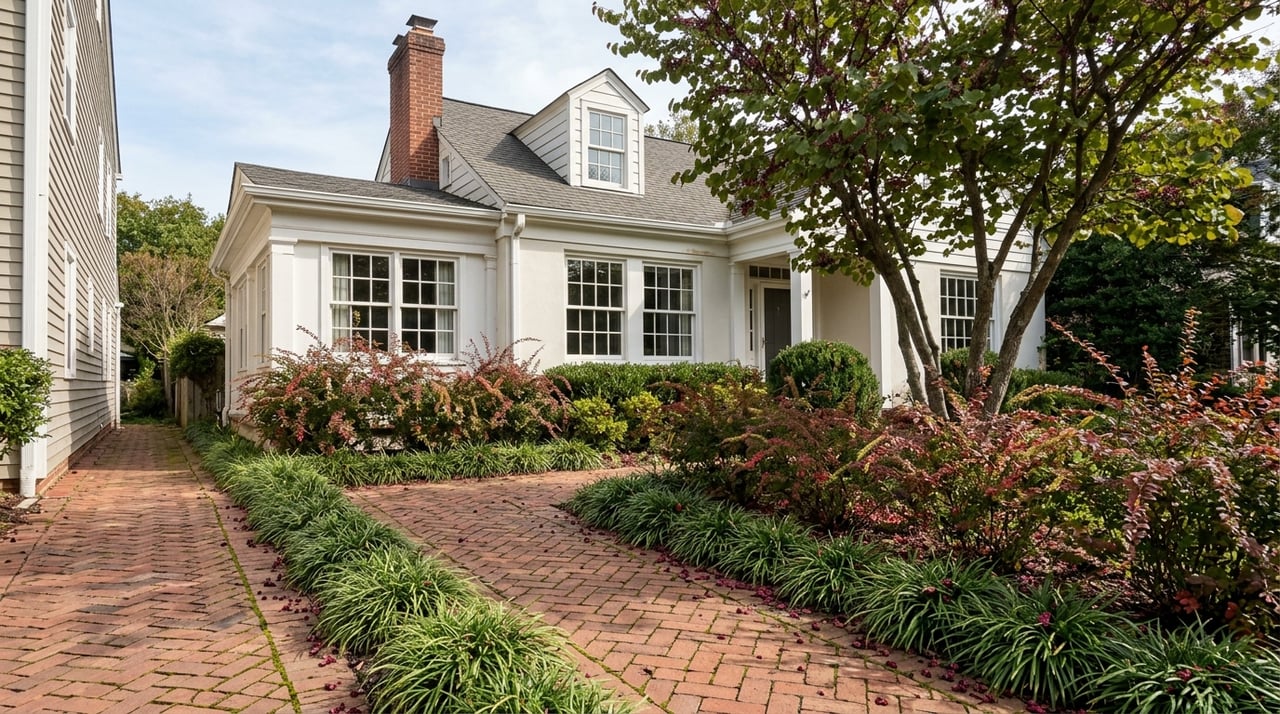
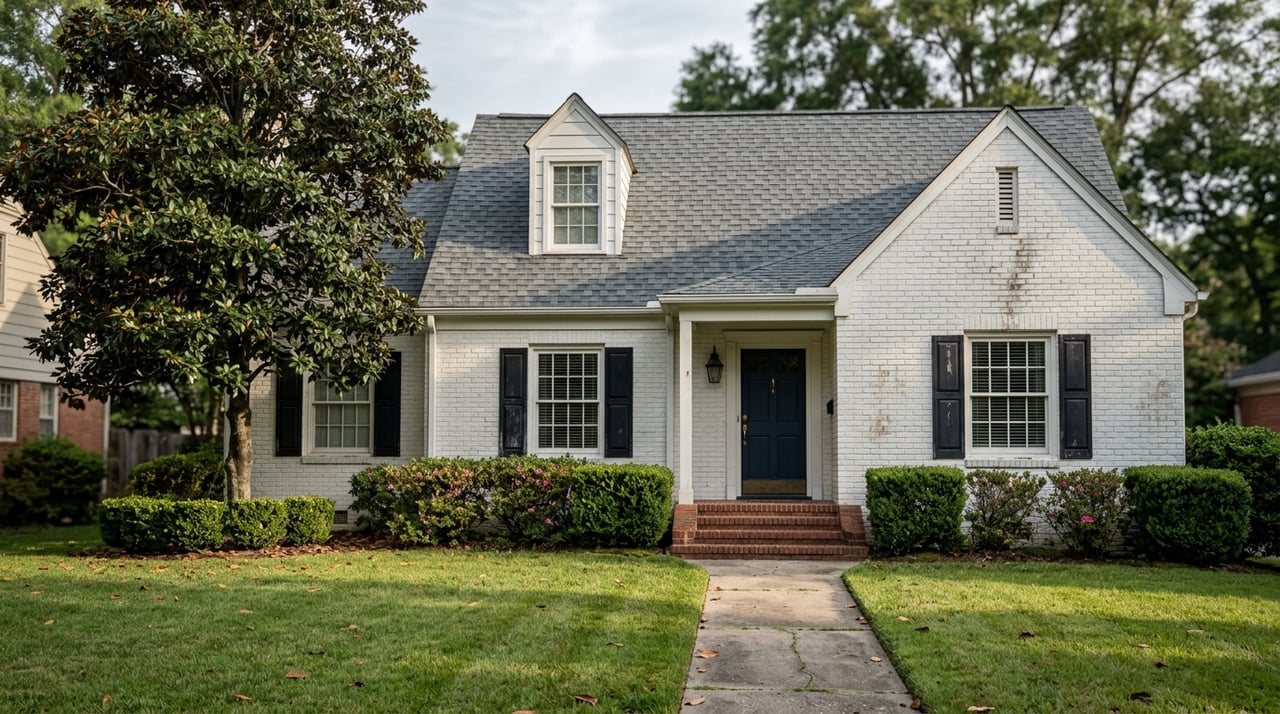
The first is established Cary: neighborhoods like Preston, Lochmere, and MacGregor Downs, built mostly in the 1990s and 2000s on larger lots, often a quarter acre to half an acre or more, with mature tree canopy that a new subdivision can't replicate for decades. Turnover here is slow because people who buy into these neighborhoods tend to stay. Resale price per square foot in this tier frequently holds up better than new construction, because land and established landscaping carry value that a builder's spec sheet doesn't capture.
The second is new-construction Cary: concentrated in the western corridor near NC-540 and the Chatham County line, plus a wave of infill projects near Downtown Cary Park, including a luxury townhome project called Walker Row. Prices here span an unusually wide range. Entry-level new construction, like Corbinton at Kildaire Farm's duplexes starting in the high $300s, or Savaan's townhomes and single-family homes running from around $420,000 to just over $700,000, sits well below what an established Preston or Lochmere resale commands. At the same time, ultra-luxury new construction near downtown is pricing well above the citywide median, on a five-bedroom custom build sitting on more than 12,000 square feet of lot.
That spread is the mechanism behind the flat-to-down citywide average. It is not that Cary homes are worth less. It is that more of the homes selling right now sit at the lower end of new construction, and when a bigger share of transactions comes from that tier, the blended per-square-foot number drifts down even while individual neighborhoods hold steady or gain. June 2026 data showed 239 new listings hitting the market that month, up 8.64 percent from the year before, while overall inventory shrank. More entry-tier new construction entering the mix, against a shrinking pool of resale listings, is a composition shift dressed up as a price decline.
Builders are accelerating that shift on purpose. As of mid-2026, builders across Cary have been offering mortgage rate buydowns in the 4.99 to 5.25 percent range, along with closing cost credits, specifically to move the wave of new inventory coming online in the western corridor. That's a real discount to a buyer's monthly payment, but it doesn't show up as a price cut in the sale price on record, and it pulls buyers toward the lower end of the new-construction range rather than reflecting softer demand across the board.
Why the same trap applies outside Cary too
This matters beyond Cary's borders. Buyers weighing Cary against Apex or Holly Springs are usually comparing three citywide medians side by side, as if each one describes a single, uniform product. It doesn't. Apex carries its own mix of historic in-town homes and newer subdivisions. Holly Springs has been absorbing a wave of construction tied to its growing biotech employment base, which pulls its own average toward newer, lower-turnover inventory. A median from any of these towns is only useful once you know what's inside it, and that requires the same neighborhood-level unpacking Cary needs.
What's holding the premium end steady
Fenton is the clearest example of why the top end of the Cary market isn't following the citywide average down. The 92-acre mixed-use development at the I-40 and Cary Towne Boulevard interchange opened its first phase in April 2022 and has kept expanding since, adding restaurants, retail, a movie theater, and seasonal ice skating, along with gathering spots like Sports & Social and AVA Rooftop Bar. A steakhouse and a hotel were announced as part of the development's later phases, on top of the office and apartment space that came online in its first two years. That kind of sustained lifestyle investment tends to support values in the neighborhoods around it, and it helps explain why downtown-adjacent new construction, and established neighborhoods within an easy drive of it, aren't seeing the same softening as the citywide blended number.
What this means if you're pricing a move
For a seller in Preston, Lochmere, or MacGregor Downs, the headline that price per square foot is down citywide simply doesn't describe your comp set. Your actual competition is a shrinking pool of similar mature-lot resale homes, not the wider mix that includes entry-level new construction thirty minutes away.
For a buyer comparing a resale home to new construction, the rate buydown a builder is offering can be worth more over time than a modest price difference elsewhere, but only if you run the real numbers rather than comparing sticker prices. And for anyone using a citywide median as the deciding factor between Cary, Apex, and Holly Springs, the number on the page is a starting point for a conversation, not the conversation itself.
A few questions worth asking before you trust a number
Is Cary a buyer's market or a seller's market right now? Neither cleanly. Homes are still moving fast and closing near or above list price in most established neighborhoods, which points to seller strength. The citywide price-per-square-foot dip is a mix effect from new construction, not evidence of softening demand.
Should I use the median price I see online to decide where to look? Treat it as a rough sketch. The more useful question is what's actually selling in the specific streets you're considering, and whether that inventory is resale or new construction, since those two markets are moving in different directions right now.
If you're trying to figure out what a specific Cary neighborhood, or a comparison between Cary, Apex, and Holly Springs, actually means for your timeline and your budget, that's exactly the kind of conversation worth having before you make an offer or list a home. Shannon Kennedy works these neighborhoods closely enough to tell you what's really behind the number. Let's Connect.